We started this company because the outplacement industry wasn't doing what it was being paid to do.
20 yrs
Coaching since 2006
100,000+
Professionals placed
4.9★
rating on Google

John Schrup was an executive at Allianz when Ford announced in 2006 that it would close the Twin Cities Assembly Plant in Saint Paul's Highland Park neighborhood. The plant had been building vehicles on the bluffs above the Mississippi since 1925. It was the oldest Ford factory in continuous operation. The closure played out over several years, with the final truck rolling off the line in December 2011. By the time it was over, roughly 1,800 workers had lost their jobs. These were people with decades of highly specialized manufacturing experience, entering a regional economy that had largely moved on from the kind of work they knew how to do.
John lived a few miles away in Minneapolis. He started asking what would actually happen to these people. Eighteen hundred workers, most of them mid-career, with mortgages and families and skills built around an assembly line that no longer existed. Nobody was helping them translate what they knew into something the rest of the labor market could use. Ford would purchase outplacement services as part of the separation package. In 2006, that meant a vendor would come in, run a few group workshops in a rented conference room, hand out binders on resume writing and interviewing, and offer a handful of one-on-one coaching sessions. Then they would leave. Most workers never got enough individual attention to make a real difference.
John began using his skills to help his neighbors. He left his position at Allianz, signed a contract with the plant's union, and started coaching the people who were being let go. That was FirstSourceTeam's first engagement.
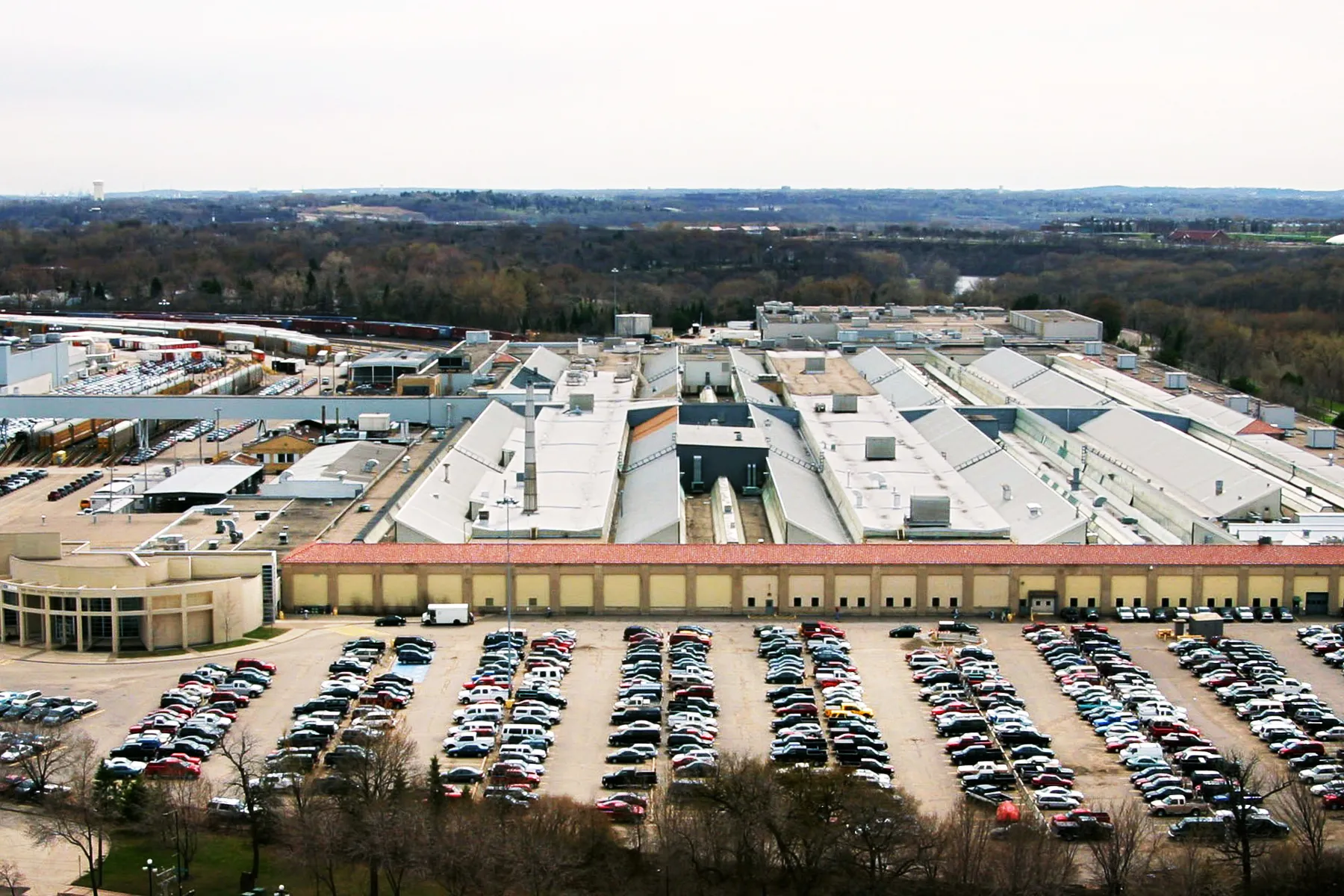
The Ford Twin Cities Assembly Plant in Saint Paul's Highland Park neighborhood. Opened in 1925, it was the oldest Ford factory in continuous operation when it closed in 2011. The site is now Highland Bridge, a residential and commercial district.
Over the years that followed, as the business grew and John coached thousands of professionals through career transitions, a pattern kept surfacing. Nearly everyone who came to him after working with one of the large outplacement providers felt the service had failed them. The coaching was shallow. The tools were outdated. The service felt like a checkbox the employer had purchased to feel better about a difficult decision, not something designed to actually help the person receiving it.
That theme made him dig deeper. He found an industry that had gotten comfortable. The major firms had stopped innovating, stopped measuring outcomes in any way a buyer could verify, and stopped treating the participant as the person the service was supposed to help. They told buyers that 92 to 98.5 percent of participants were satisfied. On Trustpilot and Yelp, where participants review anonymously, those same firms averaged 1.7 to 2.8 stars out of 5.
The cost of that complacency is wasted corporate money and people left without help. Job searches are long, and they are only getting longer. The people going through them are dealing with financial pressure, identity loss, and a labor market that AI is changing. They are where the Ford workers were in 2006: skilled at work the market is moving away from. The industry that exists to help them through that transition is doing very little to help them learn new skills and compete in the market they are entering.
FirstSourceTeam was built to fix that failure. The goal is a service good enough to make the rest of the industry start caring again, and to show that outplacement built around results for the participant can be better than what the category has settled for.
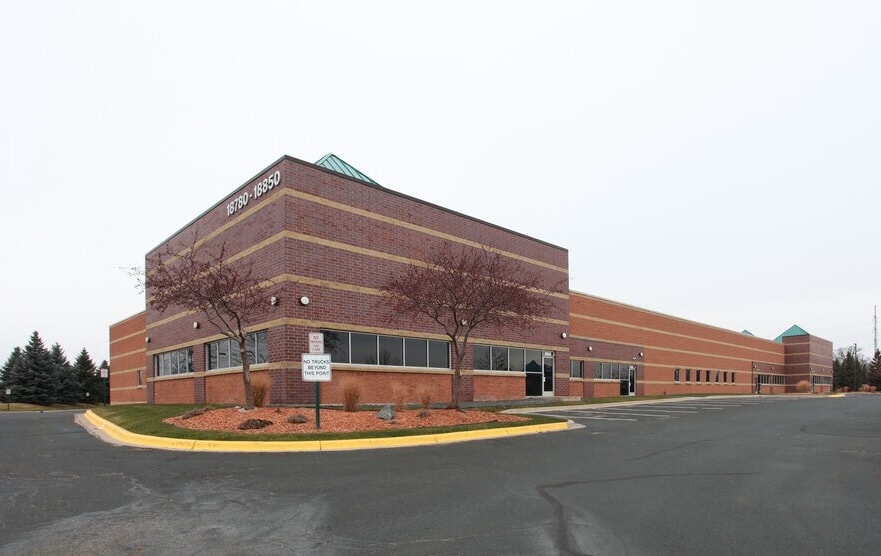
FirstSourceTeam's first office, Chanhassen, Minnesota.